

Send inquiry
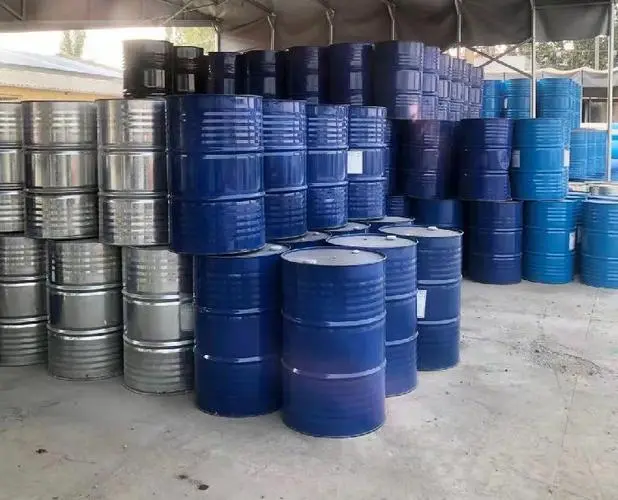
Cangnan came to buy all chemical raw materials in stock: tert-butanol, epoxy curing agentOur company recycles thousands of chemical raw materials across the country. There are many types of recycled materials, unlimited quantity and quality, and they can be recycled after they are scrapped. Our company has complete qualifications and is safe to recycle and reuse. The sales staff are all over the country and pick up the goods personally. You solve the inventory problem. The 24-hour wealth hotline looks forward to cooperating with you!
Formal and qualified recovery of dyes, pigments, coatings, hot melt adhesives, emulsifiers, creamer, milk powder, vegetable oil, epoxy zinc-rich paint, paints, resins, aluminum pastes, rubber, hot melt adhesives, pressure-sensitive adhesives, BYK leveling agents, Foaming agent, dispersant, UV photoinitiator, UV absorber, light stabilizer, polyether polyol, lithium carbonate, lithium hydroxide, vanadium oxide, plastic embossing ink, oleic acid, AEO, printing paste, Zinc borate hydroxypropyl methylcellulose, resorcinol, hydroquinone, nonylphenol polyoxyethylene ether, polyethylene glycol, vinyl acetate resin, flexible foam polyether, combined polyether, pressure-sensitive granule heat Melt glue, menthol, flavor, vanillin, PVC polyvinyl chloride resin, coconut oil, lauric acid soap noodles, fumaric acid, chloroether resin, guaiacol, urotropine, zinc oxide, isocyanate, MDI , TDI, white oil, glycerin, polyvinyl alcohol, sodium alginate, etc.
Edit by purpose
Cangnan Shaoteng Chemical Co., Ltd. collects and recovers epoxy curing agent. Caprolactam, maleic anhydride, phthalic anhydride, hydroquinone, resorcinol, catechol, trimellitic anhydride, succinic anhydride, pentaerythritol, neopentyl glycol, polyethylene glycol, photoinitiator, methyl paraben Ester propyl butyl ester, sodium benzoate, thiourea, hot melt adhesive, guar gum, xanthan gum, carrageenan, pectin, malic acid, bisphenol A, caustic soda, Ping Ping O, styrene acrylic emulsion, acrylic emulsion , Tannic acid, H acid, lauric acid, fumaric acid, salicylic acid, tartaric acid, mannitol, citric acid, xylitol, stearyl alcohol, fatty alcohol, adipic acid, stearic acid, fatty acid, Oxalic acid, boric acid, Tween Span, leveling agent, defoaming agent, dispersing wetting agent, etc. Door-to-door cash sales, unlimited quantity, paid intermediaries, welcome friends from all walks of life to call, and create a better environment.
【Statement】
Hebei Shaoteng Chemical Co., Ltd. recycled: EVA particles, polyvinyl alcohol hot melt adhesive resin paint, epoxy resin epoxy curing agent, stearic acid soap particles, zinc stearate, calcium stearate, barium stearate, cadmium stearate, palm wax white wax Anti-dyeing salt masterbatch Hongdan, Huangdan three salt and two salt organic bentonite activated carbon adipic acid, purified phthalic acid, paraformaldehyde
Our company takes back thousands of chemical products. Our company promises to take back and use them quickly, at a reasonable price, and with professional safety and environmental protection methods. Welcome your calls and sincerely wait for cooperation with you!
The nature of silicone oil in the defoamer determines the antifoaming time of the defoamer, and the content of silicone oil determines the consumption cycle of the defoamer in use. Too little silicone oil will make the defoaming performance of the defoamer less than the required value. , Too much participation will affect the performance of the defoaming agent, and at the same time the defoaming property of the defoaming agent; the particle size of the defoaming agent determines the filtration resistance of the defoaming agent, and too large a particle size may cause the defoaming agent to be easily Filtration produces bleaching oil, which has an impact on foam suppression; mixing time is also an important indicator of the antifoaming ability of defoamers. Insufficient mixing may cause turbidity, oil bleaching, weakening of defoaming ability, and shortening of foam suppression time. Many sewage treatment plants are often encountered, especially in the southern region. Due to the climate, the polyacrylamide in some sewage plants has been stacked for a long time or the packaging mouth is not tightly tightened, resulting in moisture absorption and agglomeration. For the agglomeration of polyacrylamide flocculant, Many people have doubts whether it is invalid or can it be reused. In this case, you only need to dissolve it. The aqueous solution has viscosity and it does not fail. However, the agglomerated polyacrylamide is difficult to dissolve. In fact, it also means wasting resources. In fact, the shelf life of different types of polyacrylamide is very different. This is related to its structure. Relatively speaking, the shelf life of anionic polyacrylamide is longer. Normally, the shelf life of cationic polyacrylamide is 1 year. . Exceeding this period shall be regarded as exceeding the shelf life. There is a risk of failure. The failure of polyacrylamide can be judged from two aspects, one is the viscosity, and the other is the deterioration of the flocculation effect.